
Tackling Climate Change
As we look to decarbonise our energy network to reduce the impacts of climate change both locally and globally, RES' priority is to deliver clean, green electricity at the lowest cost for consumers. Analysis on electricity generation costs published by DESNZ1 shows that large-scale solar, other renewable technologies, are now the cheapest forms of electricity generation. This makes developments like Glenhead Solar Farm not just good for the environment but also for the consumer.
Glenhead Solar Farm would be capable of producing up to 80MW of clean, low-cost renewable electricity making a positive contribution to Northern Ireland’s Climate Bill which has a target to meet at least 80% of electricity consumption from renewable sources by 2030.
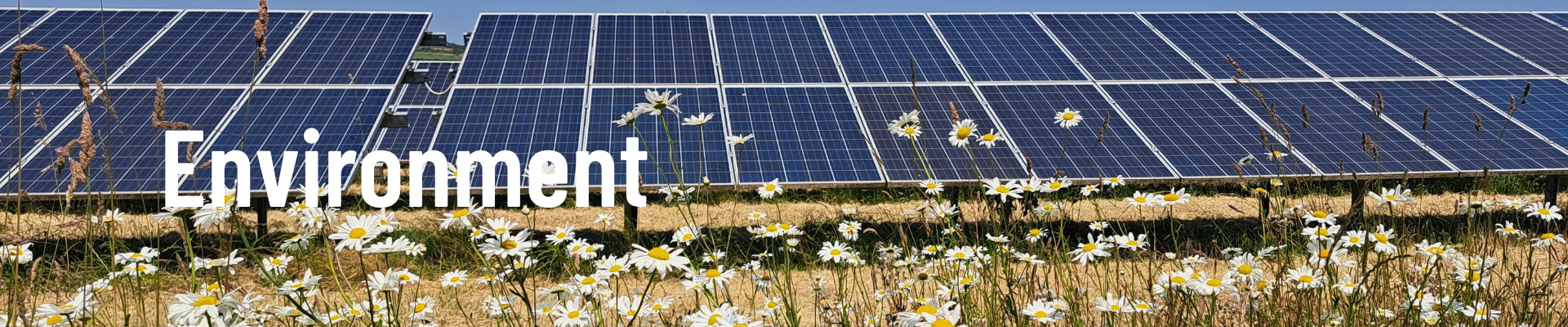
The Environment
Solar farms have significant potential to enhance biodiversity, hosting a range of habitats including wildflower meadows, hedgerows, nectar-rich areas for pollinators, and woodland. A typical solar farm uses around just 5% of the total site area with the rest of the land remaining undisturbed, creating significant opportunities to provide a range of ecological benefits.
The below are some key biodiversity enhancements that Glenhead could deliver:
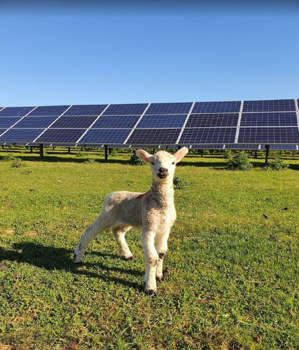

Creation of more than 3,184 metres of new native hedgerows

1,429 metres of infill planting with native species in existing hedgerows

>5 hectares of winter stubble will provide year round food and shelter for birds, mammals and invertebrates

>1.2 hectares of wildflower meadow
areas

10 bird boxes and 2 kestral boxes

Approximately 1.8 hectares of woodland
planting with native species
1 https://assets.publishing.service.gov.uk/media/6556027d046ed400148b99fe/electricity-generation-costs-2023.pdf